
“Shawn has a real gift and understanding of how to heal the body from pain. I feel blessed to work with him and thankful to receive such tremendous care.”
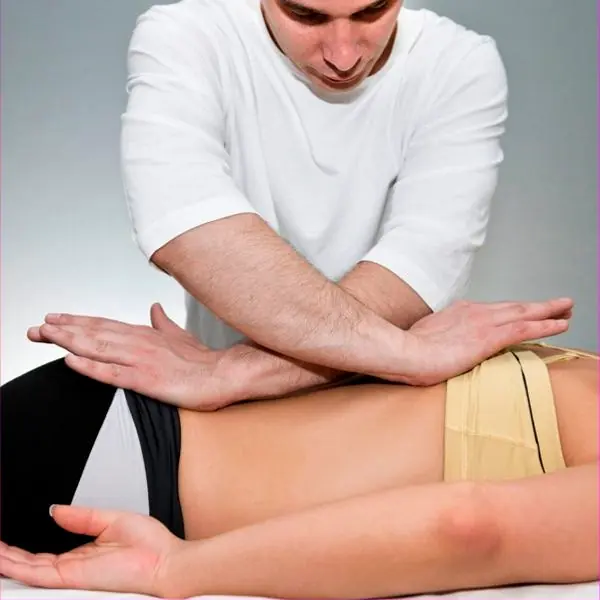
Rehabilitation · $100
Myofascial release for restriction stretching will not touch
“You will leave saying WOW.”
Sustained pressure and movement into the fascial system to release restriction — effective for neck, back, chronic pain and restricted motion.
Licensed massage therapist practicing since 2003
Board certified: sports massage, neuromuscular therapy, lymphatic drainage
4.9 from 30 Google reviews
$100 a session · 90 Day Package 5 for $450
Rehabilitation · $100
What it is
Myofascial release is the three-dimensional application of sustained pressure and movement into the fascial system in order to eliminate fascial restrictions. It is an effective therapeutic approach in the relief of cervical pain, back pain, fibromyalgia, scoliosis, neurological dysfunction, restriction of motion, chronic pain and headaches.
Fascia does not respond to speed. It responds to sustained, patient contact — which is why this work looks slower than everything else on the menu and why a single hold can last minutes. If you have stretched faithfully for months and the range keeps snapping back, restriction rather than muscle length is usually the reason.
What it helps
- Restricted range that returns straight after stretching
- Cervical and thoracic pain
- Fibromyalgia and widespread tenderness
- Old scar tissue and post-surgical restriction
- Chronic pain that has outlasted its original injury
What is included
- Assessment of where the restriction actually anchors — often away from the pain
- Sustained holds rather than gliding strokes
- Movement introduced into the hold so the tissue releases in three dimensions
- Re-testing so you can feel the range change, not just be told it did
- Guidance on maintaining the gain between visits
The session
How a myofascial release appointment runs
1
Find the anchor
Restriction rarely announces itself where it hurts. We look up and down the chain first.
2
Sustain
Pressure is applied and held. Nothing is rushed — fascia takes the time it takes.
3
Add movement
Once the tissue softens, movement is layered in so the release holds through range.
4
Retest and maintain
Same movement, measured again, and a short routine to keep the new range.
4.9
from 30 Google reviews
“Shawn is amazing. He's been helping me with my posture. A blessing from GOD. Only drawback because he's so good is lack of appointments besides the monthly one :(”
Questions
Myofascial Release: the questions people ask
Why is myofascial release so slow?
Because fascia responds to sustained load, not to speed. A hold of three to five minutes is normal and is doing more than a dozen fast passes would.
Does it use oil?
Usually very little or none — the technique needs grip on the tissue rather than glide over it. Much of it can be done through clothing.
Can it help fibromyalgia?
It is one of the conditions this approach is used for, with pressure kept well within tolerance. Everyone's threshold is different and we work under yours, not at it.
Is it the same as foam rolling?
Related in idea, different in execution. A roller applies broad pressure you control; hands find the specific restriction and can follow it as it changes.
What should I expect afterwards?
Often a feeling of length or lightness in the area, occasionally mild tenderness the next day. Drink water and move gently.
How does it combine with deep tissue?
They complement each other well. Deep tissue addresses the muscle, myofascial release addresses the wrapping around it — many sessions here use both.
Related
Often booked alongside this
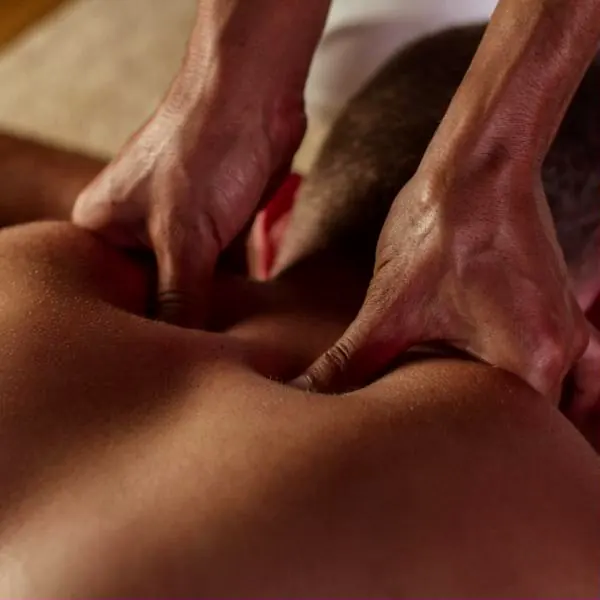
$100
Deep Tissue Massage
Slow, deliberate pressure through the deeper muscle layers for spasm, knots and pain patterns that keep coming back.
Deep Tissue Massage details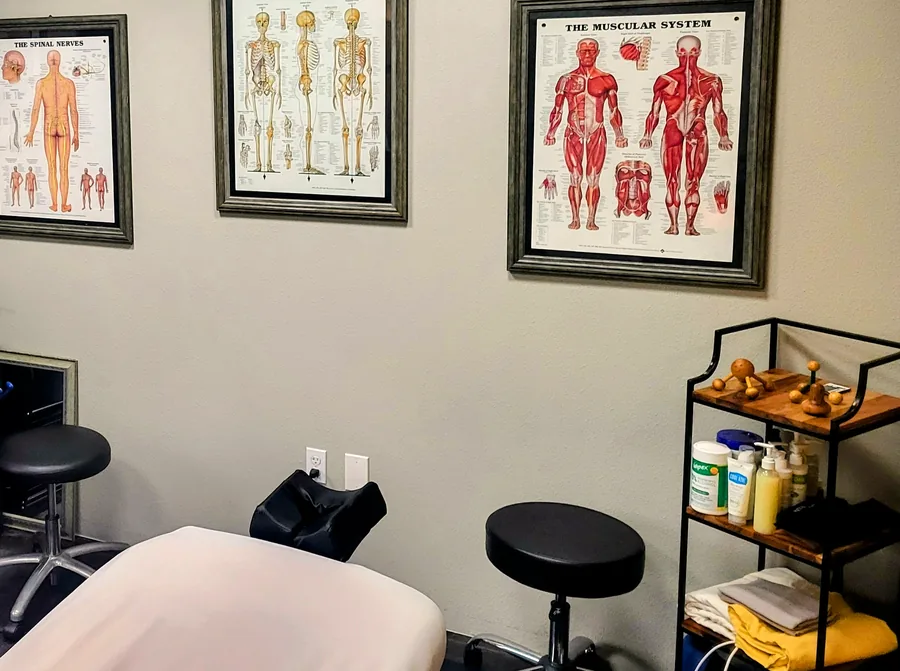
$100
Orthopedic Massage
Alignment and release techniques to aid recovery from injuries and surgery, applied with detailed anatomical knowledge.
Orthopedic Massage details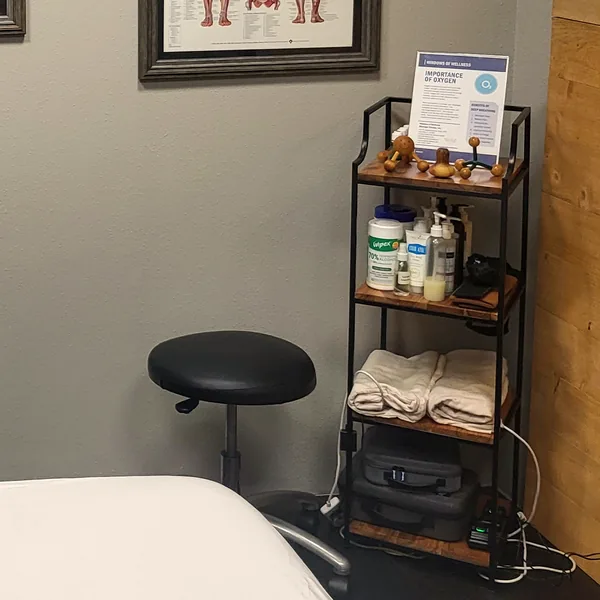
$100
Trigger Point Therapy
Deep tissue work that releases trigger points so muscles relax and heal — the style preferred by insurance companies and chiropractors.
Trigger Point Therapy details
How to book
Book a 60-minute session
Text (407) 415-5429 and describe what is going on. Any number of the modalities practiced can be used in a single session.
142 W. Lakeview Avenue, Suite 2080, Lake Mary, FL 32746 · Cash, check, credit cards, Windows of Wellness gift cards, and HSA/FSA cards.
How to book a session
Text is the primary means of contact.
Text your name and what is going on.
Or call and leave a messageTell me your inquiry and the nature of your condition.
Or emailscheduling@windows-wellness.com
Sessions are 60 minutes, $100 for any of the modalities practiced. The initial session includes a postural analysis and consultation. 90 Day Package: 5 massages, $450, a savings of $50. No online booking.